Africa Analysis Episode 1
Why Israel Wants a Base in Somaliland
Somaliland's coast lies 260 km from Yemen, where the Houthis fire at Israel from 2,000 km away. Here is why Israel recognised Somaliland, what a base near Berbera could do, and why Somalia, Turkey and the Houthis object.

In short
- Israel recognised Somaliland on 26 December 2025 and, as of mid-October 2026, is the only UN member state to have done so; Somalia considers Somaliland part of its territory.
- Somaliland's coast is about 260 km from Yemen, while central Israel is about 2,000 km from Sanaa, the Houthi capital.
- Bloomberg reported in March 2026 that Israel was planning a possible base on Somaliland's coast; Somaliland denies agreeing to host one.
- Somalia's president said on 3 October 2026 that Mogadishu would not accept an Israeli presence in Somaliland under any circumstances.
- Turkey, Somalia's closest military partner, called Israel's recognition illegitimate, and the Houthis called any Israeli presence in Somaliland a military target.
In this analysis 8 sections
- 01Why does Israel want Somaliland? The Gate of Tears
- 02How far is Somaliland from Yemen?
- 03Israel Somaliland military base: what has been reported?
- 04Why Berbera? The runway every power has wanted
- 05Somaliland vs Somalia: who recognises Somaliland?
- 06Why do Somalia, Turkey and the Houthis object?
- 07What to watch next
- 08Frequently asked questions
On 3 October 2026, Somalia’s president, Hassan Sheikh Mohamud, drew a line. Mogadishu, he told Al Jazeera, would not accept an Israeli presence in Somaliland “under any circumstances”. Two days later, Somaliland’s government rejected his claims about Israeli plans for the port of Berbera.
So why does Israel want a foothold on this coast, and why now? The Israel Somaliland relationship turns on one narrow strait, a hostile shore in Yemen and a territory that Somalia considers its own. This article explains the geography, each side’s strategy and what could happen next.
Why does Israel want Somaliland? The Gate of Tears
Think of the Red Sea as a corridor with two doors. The northern door is the Suez Canal. The southern door is the Bab el-Mandeb, Arabic for “Gate of Tears”. Any ship taking the short route between Europe and Asia has to pass through both.
The strait is about 30 km wide at its narrowest. In normal times, about 12% of world trade passes through it. Israel’s own window onto this corridor is Eilat, its only port on the Red Sea.
In late 2023, after the war in Gaza began, Yemen’s Houthis started attacking ships they linked to Israel. Within a year, Eilat’s revenue had fallen by about 80%. By the summer of 2025, the port had all but stopped.
Then 2026 made the problem bigger. In February, the United States and Israel went to war with Iran, and Iran shut the Strait of Hormuz. A ceasefire came in April, but it collapsed in July. Within two weeks, the Houthis declared a blockade of Saudi shipping at the Bab el-Mandeb.
In September, the Houthis took the port of Mokha, then Perim Island, the rock that splits the strait. In early October, Saudi-backed Yemeni government forces struck back and said they had retaken ground by the strait. However, the Houthis denied losing it. Either way, two of the chokepoints that control world trade now sat within reach of Iran and its allies. For the war on that shore, see why nobody can conquer Yemen.
An old Israeli playbook, redrawn at sea
Israel’s interest in the Horn of Africa is older than the Houthis. In July 1958, Israel’s first prime minister, David Ben-Gurion, wrote to President Dwight Eisenhower about a strategy. Surrounded by hostile Arab states, Israel would build ties with the countries beyond them, above all Iran, Turkey and Ethiopia. Israeli leaders also raised Sudan with Washington that year. It became known as the periphery doctrine.
Look at that list today. Iran has fought an open war with Israel. Turkey has become a rival, as our analysis of Israel vs Turkey explains. Sudan is consumed by civil war. Only Ethiopia remains close. Somaliland could be the first piece of a new periphery, built around sea lanes rather than land borders.
How far is Somaliland from Yemen?
Distance is the heart of the Israel Somaliland calculation. From central Israel to Sanaa, the Houthi capital, is roughly 2,000 km. Every Israeli strike on Yemen, on its ports, power stations or Sanaa’s airport, has meant flying that whole distance, refuelling in mid-air and flying back.
A Houthi missile can reach Israel in minutes. Israel’s answer takes hours.
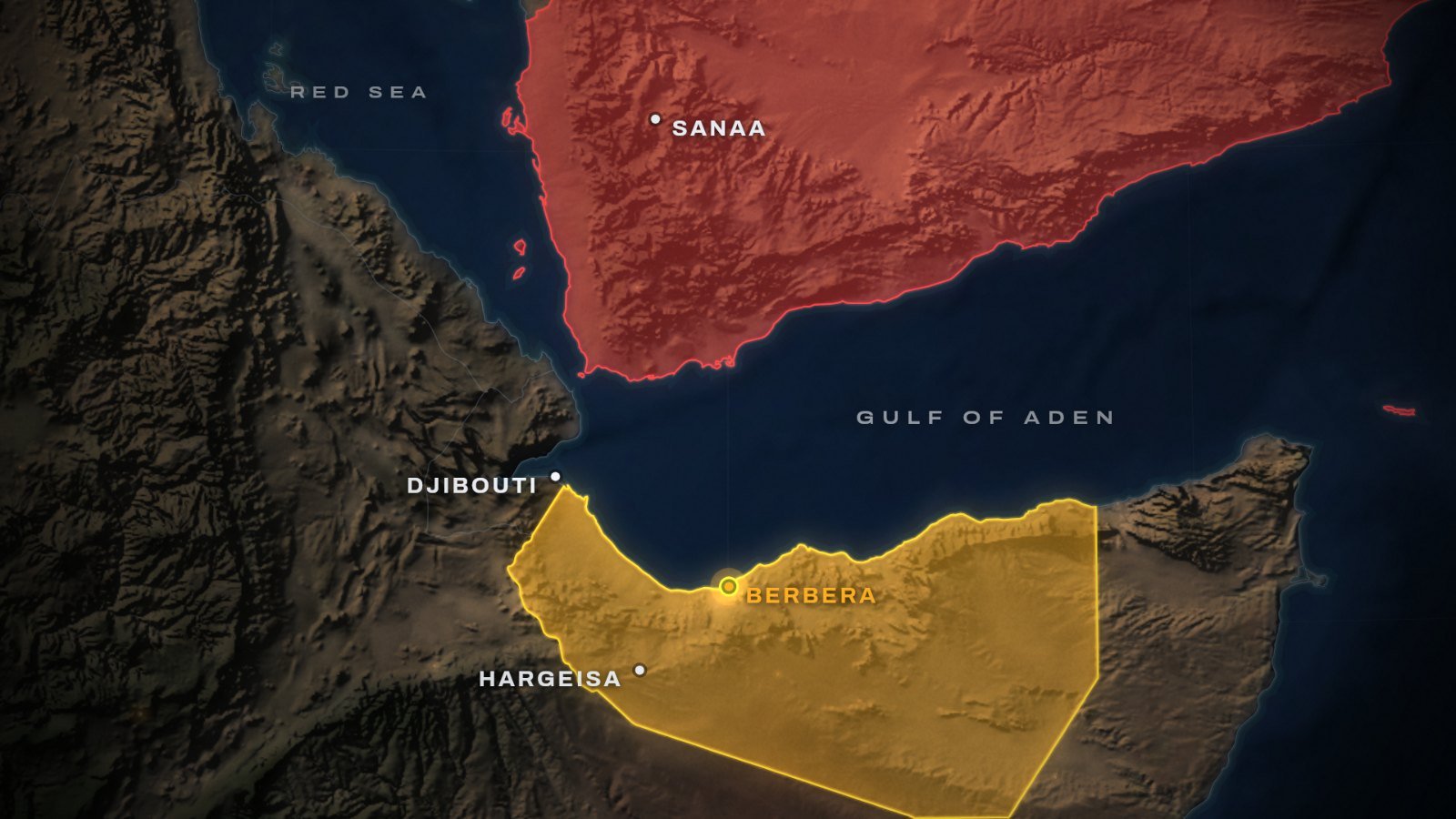
Now draw the same lines from Somaliland. From its coast, Yemen is about 260 km away, and Sanaa about 550 km. That is nearly four times closer. For radar, drones and early warning, the gap matters: it can turn a threat you track into one you see coming.
| Key numbers | Figure |
|---|---|
| Width of the Bab el-Mandeb at its narrowest | about 30 km |
| Share of world trade through the strait in normal times | about 12% |
| Central Israel to Sanaa | about 2,000 km |
| Somaliland’s coast to Yemen | about 260 km |
| Somaliland’s coast to Sanaa | about 550 km |
| Fall in Eilat’s port revenue within a year of the Houthi attacks | about 80% |
| Soviet-built runway at Berbera | about 4.1 km |
| Countries that recognised Somaliland in 1960 | 35, Israel among them |
| UN member states that recognise Somaliland in October 2026 | 1 (Israel, since 26 December 2025) |
Israel Somaliland military base: what has been reported?
Officially, no base has been announced. In March 2026, Bloomberg reported that Israel was planning a possible base on Somaliland’s coast, possibly a covert one, to watch and strike the Houthis.
According to that report and Israeli media, a small team of Israeli security officials had spent days surveying Somaliland’s beaches. One site under study was high ground about 100 km west of the port of Berbera.
What would high ground there offer? Radar that looks deep into Yemen. Drones that can circle over the strait. An early-warning line hundreds of kilometres closer to Houthi launch sites. It would also give a front-row view of the sea routes that UN investigators say have carried Iranian weapons to the Houthis.
In June 2026, CNN reported, citing unnamed sources, that a site in Somaliland may have served as a logistics stop for Israeli aircraft during the Iran war. However, Israel did not confirm the report.
Somaliland, though, tells a different story. Its government denies agreeing to host any Israeli base and calls its ties with Israel “the sovereign decisions of two states”. It also calls claims that Berbera could become a launchpad for attacks on other countries unfounded. In June 2026, its defence minister told Reuters there were no talks on a base. He did confirm that Israel trains Somaliland’s military and police.
Why Berbera? The runway every power has wanted
Berbera is not a random beach. In the 1970s, the Soviet Union built a runway here about 4.1 km long. Then came the Ogaden war of 1977, in which Moscow backed Ethiopia. Somalia ordered the Soviets out, and they later moved their dry dock to Ethiopia’s Dahlak islands.
In 2017, the United Arab Emirates, today one of Israel’s closest Arab partners, agreed to build a military base at Berbera. Those plans later turned civilian. The Emirati port company DP World took over the port, committing more than $400 million.
Ethiopia came too. On 1 January 2024, it signed a memorandum with Somaliland that reportedly offered it 20 km of coast for 50 years. Five weeks later, Mogadishu signed a ten-year defence and economic deal with Turkey, as our article on why Turkey wants Somalia explains.
The Soviets, the Emiratis, the Ethiopians: every power that has needed the Gate of Tears has ended up looking at Berbera. Israel is simply the latest.
Somaliland vs Somalia: who recognises Somaliland?
Somaliland’s status is disputed. Somalia considers it part of its territory. Somaliland says it is an independent state.
Its case rests, first of all, on history. Somaliland was a British protectorate. In June 1960, it became independent, and for five days it was a sovereign state, recognised by 35 countries. One of them was Israel. It then united with former Italian Somalia.
The union turned violent. In the late 1980s, the military regime of Siad Barre bombed Hargeisa, and tens of thousands of people were killed. In 1991, as Somalia’s state collapsed, Somaliland declared independence again.
It has governed itself ever since, with its own currency, army and passports. Its elections have handed power peacefully to the opposition, most recently in 2024. Yet for more than three decades, no UN member recognised it.
Then, on 26 December 2025, Israel became the first. Prime Minister Benjamin Netanyahu linked the move to the “spirit” of the Abraham Accords. The two have since exchanged ambassadors. In June 2026, President Abdirahman Mohamed Abdullahi, known as Irro, made a state visit to Israel. No other UN member state had followed by October 2026.
What does Somaliland want from Israel’s recognition?
For Hargeisa, recognition is a door. It is betting that if Israel walks through first, Washington will follow. In September 2026, President Irro spent two weeks in the United States, offering access to Berbera, to minerals and to military facilities.
He came home without recognition. Washington still officially calls Somaliland a region of Somalia. Asked about following Israel’s lead, President Donald Trump replied: “Does anyone know what Somaliland is, really?”
Why do Somalia, Turkey and the Houthis object?
To Mogadishu, Israel’s recognition is an attack on Somalia’s sovereignty. The African Union warned of a dangerous precedent. Protests filled the streets of Mogadishu, and the UN Security Council met in emergency session.
In October 2026, President Hassan Sheikh Mohamud went further. In his interview with Al Jazeera, he said Israel plans a naval base at Berbera to get closer to the Gulf and to Iran. Somaliland rejects that claim.
Meanwhile, Turkey stands behind Mogadishu. It runs its largest overseas training base in Mogadishu and has signed a defence pact to help protect Somalia’s waters. Off the Somali coast, a Turkish drillship is boring one of the deepest offshore wells ever attempted. Turkey is also building a spaceport in Somalia. President Recep Tayyip Erdoğan called Israel’s recognition “illegitimate and unacceptable”, and later said it “benefits nobody”.
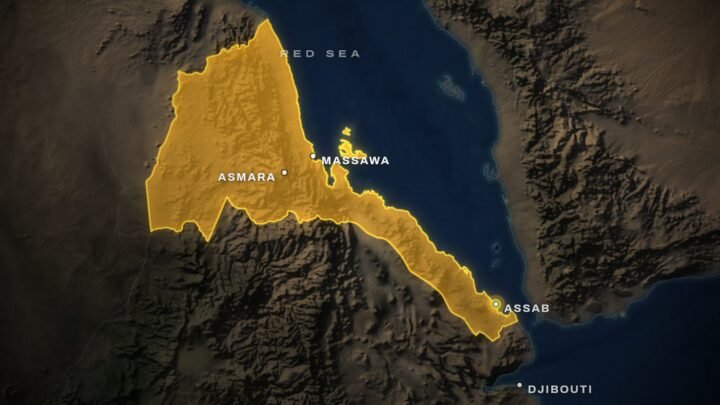
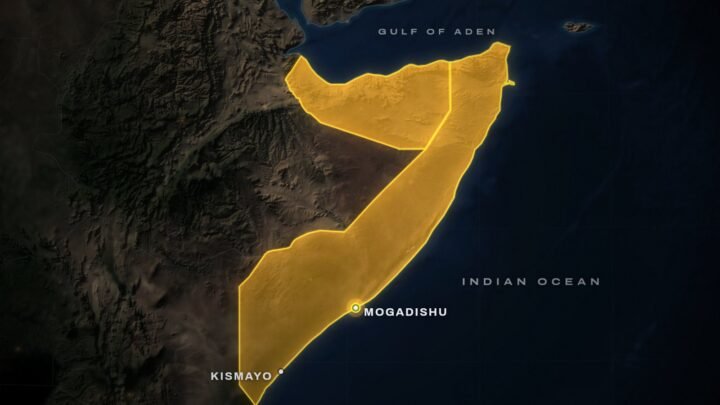
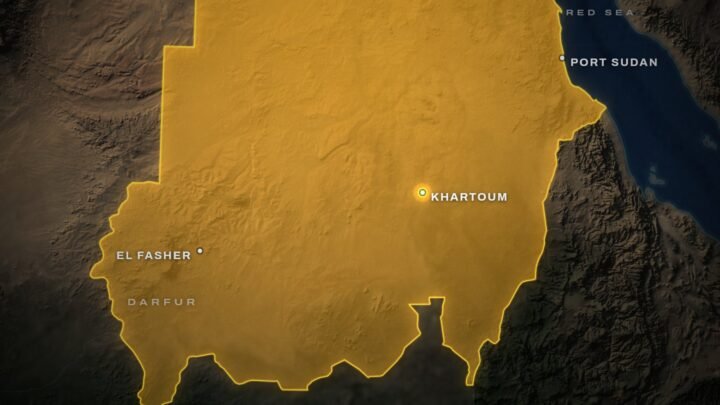
So the map now shows two rival pairs on one coastline: Israel and Somaliland in the north, Turkey and Somalia in the south. Somalia has other backers too. On 4 October 2026, it signed a joint declaration with Egypt, Eritrea and Sudan that rejected “the so-called Somaliland”. Our article on why everyone suddenly wants Eritrea explains that bloc.
The Houthis add a military threat. Within days of Israel’s announcement, the Houthi leader declared that any Israeli presence in Somaliland would be a military target. A base built to watch the Houthis could put Somaliland in their sights.
What to watch next
Officially, there is no base, and Hargeisa denies that one has been agreed. Four things will shape what happens.
- Washington. If the United States recognises Somaliland, others could follow, and an Israeli presence would become far easier to defend diplomatically.
- The Houthis. If they strike Somaliland even once, the Red Sea war crosses into Africa.
- Ankara. Turkey has troops, ships and money in Somalia. The harder Israel leans into Somaliland, the harder Turkey is likely to lean back.
- The Yemeni shore. If government forces hold the ground they claim by the strait, the pressure on Israel’s sea lanes may ease. If the Houthis keep it, the case for a forward post grows.
For more on the Horn and the Red Sea, read more analysis on Africa.
Frequently asked questions
Why does Israel want Somaliland?
Israel wants a position close to Yemen’s Houthis, who have fired missiles at Israel and attacked Red Sea shipping. Somaliland’s coast is about 260 km from Yemen, while central Israel is roughly 2,000 km from Sanaa. A presence there could give Israel radar, drones and early warning over the Bab el-Mandeb strait.
Does Israel have a military base in Somaliland?
No base has been officially announced. Bloomberg reported in March 2026 that Israel was planning a possible base, and Israeli officials reportedly surveyed sites west of Berbera. Somaliland denies agreeing to host one. Its defence minister said in June 2026 that Israel trains Somaliland’s military and police.
Who recognises Somaliland?
As of October 2026, Israel is the only UN member state that recognises Somaliland. It did so on 26 December 2025, and the two have since exchanged ambassadors. The United States still calls Somaliland a region of Somalia. Somalia rejects Israel’s move, and Turkey and the African Union have criticised it.
What is the difference between Somaliland and Somalia?
Somaliland is the former British protectorate on the Gulf of Aden coast. It united with former Italian Somalia in 1960 and declared independence again in 1991. Since then it has run its own government, army and currency. Somalia considers it part of its territory, a view that most governments share.
Why is the Bab el-Mandeb strait important?
The Bab el-Mandeb links the Red Sea to the Gulf of Aden and the Indian Ocean. Ships using the Suez Canal between Europe and Asia must pass through it. It is about 30 km wide at its narrowest, and about 12% of world trade passes through it in normal times.
Sources
- Somalia won't accept Israeli presence 'under any circumstances': President
- Somaliland Rejects Somalia's Claims Over Israel, Berbera
- Somaliland denies Israel plans for Berbera naval base, airport use
- Yemen forces claim to seize Dhubab sites near Bab al-Mandeb from Houthis
- Alamein Declaration: Egypt, Eritrea, Sudan and Somalia forge unified front on Red Sea governance
- What Washington agreed to last month
- Red Sea nations watch as Houthis seize Bab al-Mandeb strait
- Houthis seize Red Sea port city in push to seize Bab el-Mandeb
Show all 40 sources
- Houthis capture Mocha near Red Sea strait
- Houthis announce blockade of Saudi Arabia ships
- Israel appoints first ambassador to Somaliland after recognition
- Israel fetes Somaliland's leader as it seeks to expand Red Sea influence
- Somaliland receiving Israeli military training, not in talks for base, minister says
- Israel reportedly deployed elite forces in Azerbaijan, operated Somaliland base, during Iran war
- Somaliland says it will open an embassy in Jerusalem, Israel to reciprocate
- Israel eyes Red Sea base in Somaliland to fight Iran-backed Houthis
- Israeli team surveyed Somaliland's coast
- Turkey's Erdogan says Israel's recognition of Somaliland benefits nobody
- Turkey touts Somalia spaceport as Horn of Africa rivalry heats up
- Somaliland denies agreeing to host Israeli bases, resettle Palestinians
- South Sudan rejects Somaliland recognition in diplomatic phone call
- Türkiye's Erdogan calls Israel's Somaliland recognition unacceptable
- Security Council press release SC/16270: emergency session on Somalia
- Houthi leader threatens to target any Israeli presence in Somaliland
- Israel recognises Somaliland
- Israel is first to recognize Somaliland, Accords 'spirit', says Netanyahu
- Trump: 'Does anyone know what Somaliland is, really?'
- After Israel's recognition of Somaliland, what comes next?
- Research briefing CBP-10521: the 2026 Iran war
- Eilat port revenue collapse and shutdown
- Israel's Eilat port to close over unpaid debts, Houthi blockade
- Çağrı Bey nears early completion at Curad-1 well offshore Somalia
- Somaliland leader says Ethiopia deal includes construction of naval base
- Somalia approves defense agreement with Turkey
- 2024 elections: Somaliland
- Somaliland's Berbera to get second airport (UAE base plan turned civilian)
- Dahlak Archipelago (the Soviet dry dock moved from Berbera)
- Iran takes a page from Israel's playbook (Ben-Gurion's memo of 24 July 1958)
- Foreign Relations of the United States, 1958-1960, Volume XII: Near East Region; Iraq; Iran; Arabian Peninsula
- DP World wins Somaliland concession
Facts as of 16 October 2026. Spotted a mistake? Tell us, and we will correct it.