Middle East Analysis Episode 23
Israel vs Turkey: Can Old Allies Avoid a Clash?
In 1958, Turkey was one of Israel's secret partners. In 2026, Israeli jets struck a Syrian air base 70 km from Turkey's border. How did old allies become rivals, and can they step back?

In short
- Turkey was the first Muslim-majority country to recognise Israel, in 1949, and its prime minister met Israel's in secret in 1958.
- Relations broke over the Mavi Marmara raid in 2010 and the Gaza war: Turkey halted all trade with Israel in May 2024.
- Since Assad's fall in December 2024, both have forces in Syria: Turkish troops in the north, Israeli posts in the south.
- In August 2026, Israel struck Syria's Abu al-Duhur air base, saying it was stopping a Turkish deployment; Turkey and Syria deny any such plan.
- SIPRI estimates 2025 military spending at $48.3 billion for Israel and $30.0 billion for Turkey, a NATO member.
In this analysis 8 sections
- 01How did Israel and Turkey go from allies to rivals?
- 02Why is Syria the flashpoint between Israel and Turkey?
- 03Why did Israel strike Abu al-Duhur?
- 04Israel vs Turkey military power: what does the record show?
- 05Why does the rivalry reach Cyprus, Greece and Somalia?
- 06Are two camps forming around Israel and Turkey?
- 07What to watch next in Israel vs Turkey
- 08Frequently asked questions
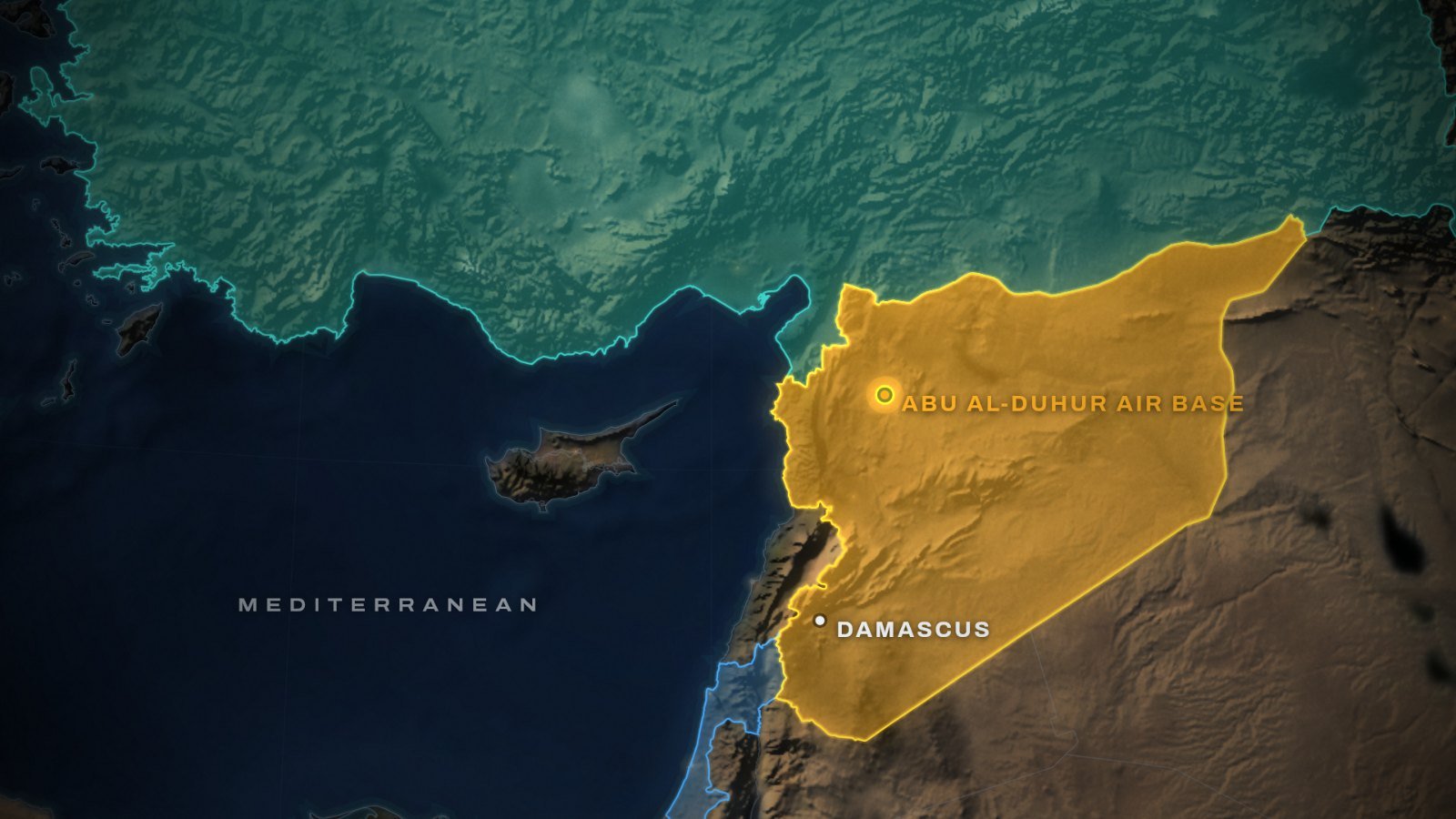
On the night of 17 to 18 August 2026, Israeli jets struck the runways of Abu al-Duhur, a Syrian air base about 70 km from Turkey’s border. Israeli officials said they were stopping Turkish forces from moving in. Ankara said no Turkish delegation was at the base. Syrian officials said one had visited shortly before to look at repair work.
Sixty-eight years earlier, Turkey was one of Israel’s secret partners. Today the two face each other across Syria, the eastern Mediterranean and the Horn of Africa. This is Israel vs Turkey explained: how old allies became rivals, what each side wants, how their militaries compare on the record, and whether they can step back before they collide.
How did Israel and Turkey go from allies to rivals?
The partnership started early. In 1949, Turkey became the first Muslim-majority country to recognise Israel. In 1958, Israel’s prime minister, David Ben-Gurion, met Turkey’s prime minister in secret in Ankara. In 1996, the two signed military agreements, and Israel later upgraded Turkey’s F-4 jets.
The first rupture came at sea. On 31 May 2010, Israeli commandos boarded the Mavi Marmara, an aid ship bound for Gaza. Ten Turkish activists died, one of them years later. A UN panel found that the soldiers met “significant, organized and violent resistance”, yet it called the boarding “excessive and unreasonable”. The same panel found Israel’s blockade of Gaza legal, a finding Turkey rejected.
Ties thawed slowly. In 2016, Israel paid $20 million in compensation. In March 2022, Israel’s president visited Ankara, and that August the two agreed to restore ambassadors.
Then came 7 October 2023. Within weeks, President Recep Tayyip Erdogan called Hamas a “liberation group”. Israel, the US and the EU list Hamas as a terrorist group; Turkey does not. In May 2024, Turkey halted all trade with Israel, worth $6.8 billion the year before. In August 2024, Turkey asked to join South Africa’s genocide case against Israel at the International Court of Justice. Israel rejects the charge, and the case is pending.
The break widened. In August 2025, Turkey closed its ports to Israeli ships and its airspace to Israeli government flights. In November 2025, an Istanbul court issued arrest warrants for Prime Minister Benjamin Netanyahu and 36 others. Israel’s foreign minister called it “the latest PR stunt by the tyrant Erdogan”. Even so, Turkey became one of four guarantors of the October 2025 Gaza ceasefire. Diplomacy and hostility now run side by side.
Why is Syria the flashpoint between Israel and Turkey?
In December 2024, a rebel offensive led by HTS toppled Bashar al-Assad. Ankara became a main backer of Syria’s new government, though it denies any direct role in the offensive. Thousands of Turkish troops have been in northern Syria since Turkey’s first major offensive there in 2016. In August 2025, Turkey and Syria signed a military training agreement.
Israel moved too. The same week Assad fell, Israeli forces went beyond the Golan Heights into the buffer zone set up in 1974, and up the Syrian side of Mount Hermon. Israel took the Golan in 1967 and annexed it in 1981. Most countries see it as occupied Syrian land, while the US, and since August 2026 Colombia, recognise Israel’s claim. Israel says the 1974 agreement collapsed with Assad’s army. The UN force there calls the move a violation.
By its own count, Israel holds nine posts in the area, two on Hermon’s summit, about 35 to 40 km from Damascus. In August 2026, Defence Minister Israel Katz said Israel would not leave “as long as there are jihadist threats”. Israeli strikes across Syria run into the hundreds, though counts vary. In July 2025, one hit the defence ministry in Damascus; Israel said it was protecting the Druze minority.
So two visions now share one country. Turkey wants a strong, united Syria. Israel wants a demilitarised south, with no hostile army near its border. Syria’s president, Ahmed al-Sharaa, says he wants a security deal with Israel without giving up Syria’s claim to the Golan.
Why did Israel strike Abu al-Duhur?
For Israel, one question matters most: who controls Syria’s sky? It is the Israeli air force’s route east, toward Iraq and Iran. Israel fears Turkish radar and missiles in Syria would narrow that route.
That fear is not new. In spring 2025, reports said Turkish teams had surveyed three Syrian air bases, T4, Palmyra and Hama, for air defences and drones. Israel struck T4 and Palmyra in late March and T4 and Hama on 2 April. An Israeli official’s message, as quoted by the Jerusalem Post: “Do not establish a military base in Syria”. Turkey’s foreign minister, Hakan Fidan, answered: “We don’t want to see any confrontation with Israel in Syria because Syria belongs to Syrians.” From April 2025, the two held talks in Baku to avoid clashes.
Then came Abu al-Duhur, in Idlib province. Syrian state media counted eight strikes on its runways and hangars, and nobody was killed. Netanyahu’s office said Syria was “on the verge of breaching” an agreed “status quo in security matters”. Turkey called Israel’s claims “untenable allegations”, and Syria said there were no plans for a Turkish military presence. Netanyahu then warned: “We will not tolerate a Turkish military entrenchment that moves south”.
Washington was unhappy. Its envoy, Tom Barrack, called the strike an “unnecessary escalation” and said the US saw no Turkish deployment under way. He also warned of a “real risk of rapid escalation into a direct military confrontation”. According to analysts at JINSA, Israel’s red lines are no Turkish base south of Damascus and no Turkish air defences anywhere in Syria. An Israeli official has said Israel does not oppose Syria rebuilding its own army.
Israel vs Turkey military power: what does the record show?
People often ask who would win an Israel vs Turkey war. No honest answer exists, and we make no prediction. What the public record does show is two very different kinds of power, summed up below.
| What the record shows | Israel | Turkey | Source |
|---|---|---|---|
| Military spending, 2025 | $48.3 billion | $30.0 billion | SIPRI, April 2026 |
| Alliances | A 2026 military cooperation plan with Greece and Cyprus; a proposed “hexagon of alliances” (a vision, not a treaty) | NATO member; Mecca Joint Defence Agreement with Saudi Arabia and Pakistan (August 2026) | Cyprus Mail; Al Jazeera |
| Forces in Syria | Nine posts by its own count, two on Mount Hermon’s summit | Thousands of troops in the north since 2016 | Middle East Monitor; Asharq Al-Awsat |
| Combat jets in the news | F-35s, first delivered in December 2016 | F-16s, three sent to Mogadishu in January 2026; Trump said in July 2026 he would “consider” selling F-35s | US Air Force; Al Jazeera |
| Air defence | Exports it: Barak MX to Cyprus (2025); about €3 billion “Achilles Shield” deal with Greece (August 2026) | Reported surveys of Syrian bases for air defences and drones (2025); denies plans at Abu al-Duhur | Israel Hayom; Times of Israel |
| Forces abroad | Posts in southern Syria; denies reports of a base in Somaliland | TURKSOM base in Mogadishu (2017); troops in northern Cyprus and northern Syria | VOA; Haaretz |
| Interests at sea | Leviathan gas field, with an export deal with Egypt worth up to $35 billion | “Blue Homeland” sea claims; a 2019 maritime deal with Libya | Times of Israel; European Parliament |
Why “who would win” rankings mislead
Three points stand out. First, by SIPRI’s estimates, Israel spent about 60% more than Turkey in 2025. Second, Turkey is a member of NATO, and both countries are close to Washington: Donald Trump calls both leaders “terrific”. Third, the places where they could collide are specific: Syria’s sky, the sea off Cyprus and the Horn of Africa.
We leave troop totals out of the table, because the counts we found came only from secondary websites and vary widely. Rankings that add up tanks and jets also miss what matters most here: neither side has said it wants a war, and analysts quoted by the Christian Science Monitor say neither does.
Why does the rivalry reach Cyprus, Greece and Somalia?
The eastern Mediterranean holds gas. Israel’s largest field, Leviathan, has an export deal with Egypt worth up to $35 billion. Cyprus has been divided since 1974. Turkey keeps troops in the north and calls itself the guarantor of the Turkish Cypriots. Cyprus and the European Parliament call it an occupation, and only Turkey recognises the north as a state.
In 2019, Turkey signed a maritime deal with Libya’s government. Its line crosses waters that Greece and Cyprus claim, and the EU says it “infringes upon the sovereign rights of third states”. Turkey rejects that view.
Israel, Greece and Cyprus have drawn closer. At a summit in Jerusalem in December 2025, Netanyahu warned, without naming Turkey: “To those who fantasize they can reestablish their empires… Forget it.” Erdogan replied: “we will neither encroach on anyone’s rights nor allow our own rights to be violated”. Cyprus bought Israel’s Barak MX air defence, and Greece bought Israeli rocket launchers. In August 2026, Greece signed an air-defence deal with Israel worth about €3 billion. The next day, Erdogan said: “Greece must turn back from this wrong path.” Athens says it has the right to defend its islands.
The rivalry reaches the Horn of Africa too. Turkey opened a base in Mogadishu in 2017 and signed a 10-year defence and naval deal with Somalia in 2024, as we explain in why Turkey wants Somalia. In December 2025, Israel recognised Somaliland, the only UN member to do so (see why Israel wants a base in Somaliland). Somaliland says it has been independent since 1991; Somalia says it is part of its territory. Erdogan called the recognition “illegal and unacceptable”.
Are two camps forming around Israel and Turkey?
In July 1958, Ben-Gurion wrote to President Eisenhower that Israel was strengthening ties with Iran, Sudan, Ethiopia and Turkey, according to US diplomatic records in the Foreign Relations of the United States series. The idea was a ring of friends just beyond Israel’s hostile neighbours. Today that ring is broken. Iran has been hit by US and Israeli strikes since February 2026. Sudan is at civil war, and Ethiopia is at war again. And Turkey is a rival.
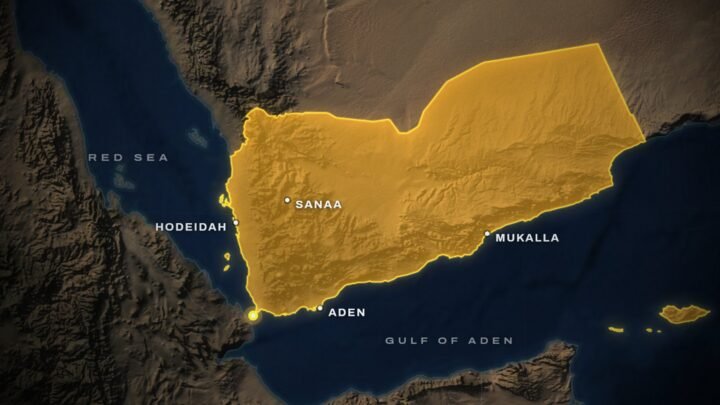
Each side is drawing a new ring. In February 2026, Netanyahu proposed a “hexagon of alliances”, naming India, Greece and Cyprus, against what he called “the radical Shia axis” and “the emerging radical Sunni axis”. Turkey’s ring runs through Damascus, Mogadishu and Tripoli, in Libya. In August 2026, Turkey signed the Mecca Joint Defence Agreement with Saudi Arabia and Pakistan: an attack on one, its members say, is an attack on all. On 5 October, amid Houthi attacks on Saudi Arabia, Turkey and Pakistan agreed to prepare forces for the kingdom, the pact’s first use (see why nobody can conquer Yemen). Three days later, though, Turkey said it would not send troops to fight the Houthis.
Both sides deny targeting the other. Erdogan says the Mecca pact is not “against Iran, Israel, or any third country”. Greece and Cyprus say their ties with Israel are not directed against any third country. Yet each feels surrounded. Naftali Bennett, a former Israeli prime minister, says Erdogan “seeks to encircle Israel”. Fidan sees “a military alliance with Greece and Cyprus against Muslim countries”.
What to watch next in Israel vs Turkey
Each side explains its moves in its own terms. At the UN in September, Netanyahu called Erdogan a “tyrant” and accused him of hosting Hamas leaders. Fidan, in Damascus, said: “The threat with the greatest potential to destabilize Syria at the moment is Israel.” Erdogan says Turkey “has no hostility toward the Israeli people” and links Israel’s rhetoric to its “electoral climate”. Netanyahu says it is about security.
Four things will show which way Israel vs Turkey goes.
First, Syria’s air bases. Any Turkish air defences in Syria would cross Israel’s stated red line. Watch the bases around Hama, Palmyra and Idlib.
Second, the sea off Cyprus. Greek and Cypriot arms purchases, Turkish naval exercises and gas drilling all meet in the same waters.
Third, Israel’s election on 27 October 2026. As of 1 October, the two blocs were neck and neck in the polls. A Likud billboard in Tel Aviv put Erdogan beside the leaders of Iran and Hezbollah. Barrack floated a “theory” that the strike “might play well going into elections”.
Fourth, the off-ramps. Azerbaijan, a friend of both, has hosted talks since April 2025, though an Israeli official says contacts are fading. Washington brokers talks between Israel and Syria. And quiet ties survive: by ship-tracking data, about 94,000 barrels a day of Azerbaijani oil shipped from Turkey’s port of Ceyhan to Israel in 2025. Israeli data show Turkish goods worth more than $900 million still arriving indirectly in 2025; Ankara denies it.
The wider region shapes all of this, from the Iran war to the Strait of Hormuz. For more analysis on the Middle East, see our region page.
Frequently asked questions
Is there a war between Israel and Turkey?
No. As of 6 October 2026, Israel and Turkey are not at war, and officials on both sides say they do not seek a confrontation. They are rivals in Syria, where Israel struck the Abu al-Duhur air base in August 2026, and in the eastern Mediterranean. A US envoy has warned of a real risk of rapid escalation.
Israel vs Turkey: who would win a war?
There is no reliable answer, and rankings that add up tanks and jets mislead. On the record, Israel spent $48.3 billion on its military in 2025 and Turkey $30.0 billion, according to SIPRI. Turkey is a NATO member. The likeliest flashpoints are Syria’s sky and the sea off Cyprus.
Why are Turkey and Israel enemies now?
They are rivals rather than declared enemies. Turkey accuses Israel of genocide in Gaza, which Israel rejects, and halted all trade in 2024. Israel accuses Turkey of hosting Hamas leaders and objects to Turkish forces in Syria. Erdogan says Turkey has no hostility toward the Israeli people; Netanyahu says Israel’s concern is security.
Why did Turkey stop trade with Israel?
Turkey halted all trade with Israel on 2 May 2024 over the war in Gaza. Trade had been worth $6.8 billion in 2023. Israeli data show more than $900 million of Turkish goods still arrived indirectly in 2025, which Ankara denies, and Azerbaijani oil kept shipping to Israel from Turkey’s port of Ceyhan.
What happened between Israel and Turkey in Syria?
After Assad fell in December 2024, Turkey backed Syria’s new government and kept troops in the north, while Israel moved into the 1974 buffer zone in the south. Israel says Turkish air defences in Syria would threaten its air force. In August 2026, it struck Abu al-Duhur; Turkey and Syria deny any deployment was planned.
Sources
- Global military spending rise continues as European and Asian expenditures surge
- Foreign Relations of the United States, 1958-1960, volume XIII
- Israel's bilateral relations with Turkey
- UN Palmer report on the Mavi Marmara
- Turkey halts all trade with Israel
- Turkey submits ICJ bid to join South Africa's genocide case against Israel
- IDF troops will stay in Syria buffer zone and Mount Hermon as long as needed
- Israeli strikes hit Syrian airbases that Turkey scoped out
Show all 34 sources
- Israel strikes Syria
- Israel confirms striking Syrian air base, saying Turkey was planning to deploy forces
- Türkiye denies military presence at Abu al-Duhur airbase
- Syrian official says no plans to establish Turkish military presence
- Turkey's Syrian ambitions, Israel's red lines
- Israel, Turkey and Syria: the risk of escalation
- Israel will not leave Mount Hermon or the Syrian buffer zone, defence minister says
- Colombia's government recognises Israeli claim over Golan Heights
- Netanyahu uses summit of Israel, Greece, Cyprus leaders to send warning to Turkey
- Israel-Greece Achilles Shield defence deal
- Erdogan warns Greece over Aegean islands
- The Turkey-Libya memorandum and the EU
- Israel becomes first country to recognize breakaway Somaliland
- What's Netanyahu's planned hexagon alliance, and can it work?
- Türkiye, Saudi Arabia, Pakistan sign joint defence agreement: what's in it?
- Mecca alliance agrees to activate collective deterrence measures
- Turkey says will not send troops to fight Yemen's Houthis
- Türkiye rejects east-west divide, says Mecca defence pact not aimed at Iran or Israel
- Erdogan warns Israel over misguided narrative of Turkey threat
- Netanyahu at UN: Erdogan is a tyrant
- Fidan: Israeli policy obstructs Syria's path to stability
- Elections near, Netanyahu casts Turkey as Israel's latest enemy
- Israeli official: Azerbaijan mediated talks with Turkey, but dialogue is fading
- Israel imported $924 million in goods from Turkey in 2025
- Turkey trade ban fails to halt Azerbaijani oil flows to Israel
- Trump says will lift sanctions on Türkiye, consider selling F-35s
Facts as of 6 October 2026. Spotted a mistake? Tell us, and we will correct it.