Africa Analysis Episode 14
Ethiopia War Explained: How Allies Became Enemies
In 2020, Amhara's Fano militias and Eritrea's army fought for Ethiopia's government against Tigray. In 2026, Fano fights beside Tigray, and Ethiopia and Eritrea accuse each other of starting a war. Here is how the allies became enemies.

In short
- On 20 September 2026, seven armed groups by their own count, including Tigray's TPLF and the Amhara Fano National Movement, announced a coalition to bring down Ethiopia's government.
- In the 2020-2022 Tigray war, Fano and Eritrea's army fought on the government's side; estimates of the dead run from about 100,000 to 600,000 or more.
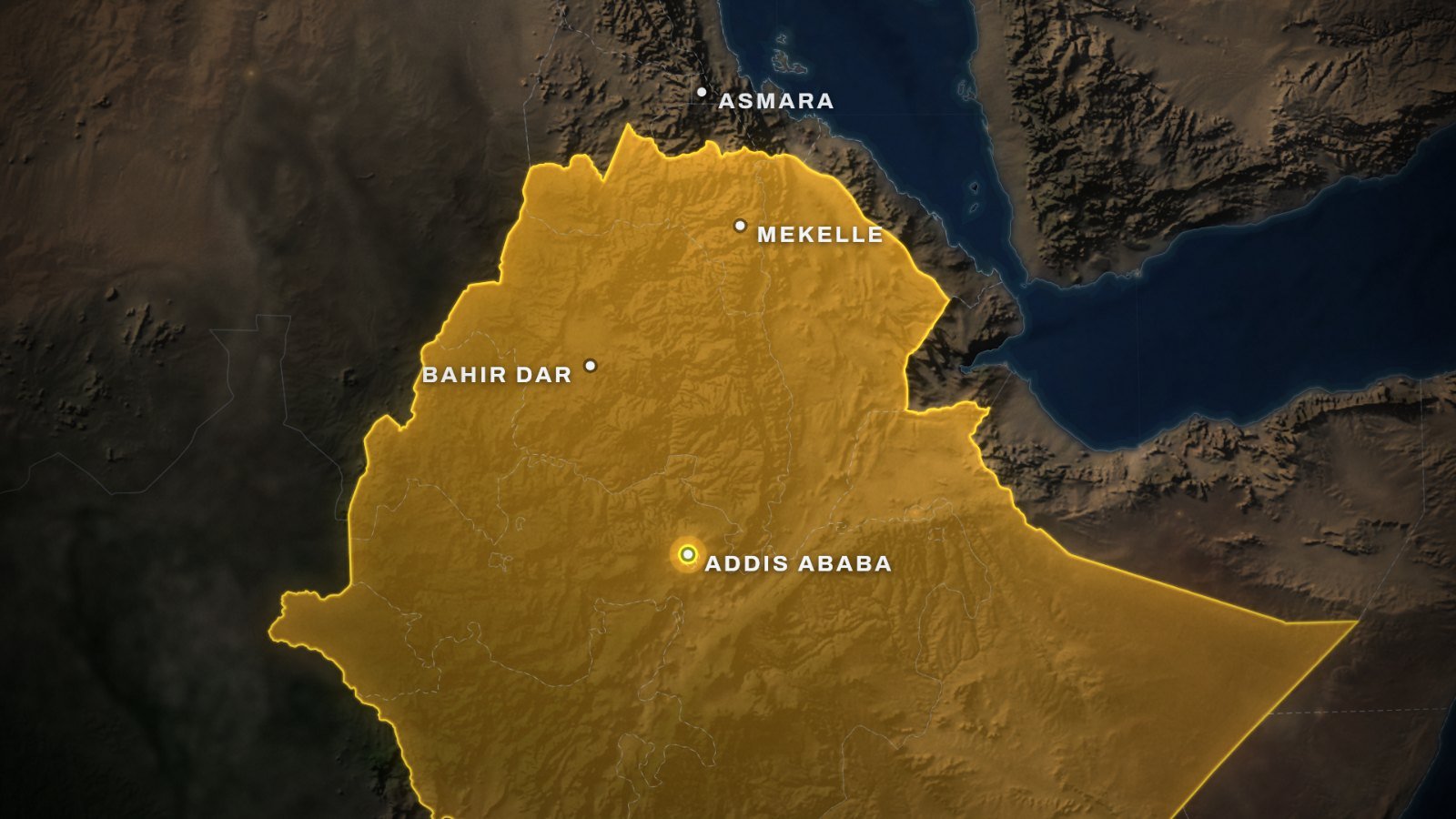
- Federal troops entered Mekelle, Tigray's capital, without a fight on 3 October 2026, then pushed north to Adigrat, Zalambessa and Aksum by mid-October.
- Ethiopia told the UN Security Council that Eritrean troops had advanced up to 60 km into Tigray; Eritrea denies any incursion and calls Ethiopia's letter a declaration of war.
- More than 95% of Ethiopia's trade by volume moves along one corridor to Djibouti; the fighting in Afar disrupted it but never cut it.
In this analysis 8 sections
- 01How is Ethiopia built, and why does every region have its own force?
- 02The Tigray war (2020-2022): what did the peace leave open?
- 03How did the government's allies become its enemies?
- 04Ethiopia war 2026: what has happened since September?
- 05Is Ethiopia at war with Eritrea?
- 06What does each side want?
- 07What to watch next
- 08Frequently asked questions
In 2020, Amhara’s Fano militias and Eritrea’s army fought on the side of Ethiopia’s federal government against Tigray. Six years later, the map has flipped. Fano now fights beside Tigray’s forces, and Ethiopia accuses Eritrea of backing them. Eritrea denies it.
This is the Ethiopia war of 2026, in Africa’s second most populous country, home to about 135 million people by UN estimates. How did the government’s allies become its enemies, and can Ethiopia hold together? Here is the map, the timeline and what each side says it is fighting for.
How is Ethiopia built, and why does every region have its own force?
Start with the design. Ethiopia’s 1995 constitution divides the country into regions drawn largely by language and ethnicity. Under Article 39, it gives each nation the right to self-rule, and even the right to secede. There were nine regions in 1995; there are 12 today.
The last census, in 2007, counted the Oromo at about 34.5% of the population. The Amhara made up about 27%, and Tigrayans about 6%.
In 1991, rebels led by the Tigray People’s Liberation Front (TPLF) marched into Addis Ababa. For 27 years, a coalition dominated by the TPLF ran the country. Meanwhile, each region built an armed force of its own.
Then, in 2018, a new prime minister took office: Abiy Ahmed. He made peace with Eritrea and won the 2019 Nobel Peace Prize. Next, he folded the old coalition into one national party, the Prosperity Party. The TPLF refused to join. So Tigray’s leaders stood outside the ruling party, with their own region and their own force.
The Tigray war (2020-2022): what did the peace leave open?
In September 2020, Tigray held its own election. Addis Ababa, which had postponed the national vote, called it illegal.
On 3 and 4 November 2020, Tigrayan forces attacked bases of the army’s Northern Command. Tigray’s leaders called it a “pre-emptive” strike. Abiy called his response a “law enforcement operation”.
Into Tigray came the federal army, Amhara’s regional forces and Fano militias, and Eritrean troops. A year in, the war turned. Tigrayan forces pushed south to Debre Sina, about 140 km from Addis Ababa. Then they were driven back.
How many people died? Nobody knows. Estimates run from about 100,000 to 600,000 or more. Researchers at Ghent University say most civilian deaths came from famine and the loss of health care.
On 2 November 2022, the two sides signed a peace deal in Pretoria. Tigray’s forces agreed to disarm, and a follow-up deal in Nairobi said foreign and non-federal forces must leave. However, Eritrea was not part of the deal. Neither was Amhara. And the deal left one large question open: who runs Western Tigray?
How did the government’s allies become its enemies?
Fano and the Amhara region
The first ally to break away was Amhara. In April 2023, the government ordered every region’s special forces to be folded into the army and police. Addis Ababa called it building “one strong, centralised army”.
Many in Amhara, though, felt left out of the peace deal and feared being left defenceless. Clashes began that month. By August 2023, Fano was in open revolt, and the government declared a state of emergency. In January 2026, the main Fano factions merged into one movement, the Amhara Fano National Movement.
The TPLF
Tigray’s own leaders split too. In 2024, the TPLF pushed out Getachew Reda, who had signed the Pretoria deal for Tigray. In May 2025, the election board deregistered the party. In the TPLF’s view, Addis Ababa broke the peace first by stripping it of its legal status. Then, in May 2026, the TPLF brought back its pre-war leader, Debretsion Gebremichael, as Tigray’s president.
Eritrea and the sea
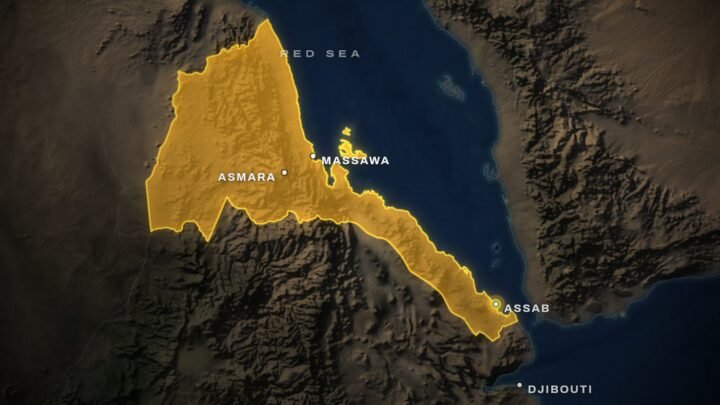
From October 2023, Abiy began calling access to the Red Sea an existential question for Ethiopia. Eritrea’s port of Assab lies close to the border. Abiy says Ethiopia will not go to war for it. Even so, Asmara reads his words as a threat, as our article on why everyone suddenly wants Eritrea explains.
A marriage of convenience
Here is the crack in the new alliance. Fano and the TPLF claim the same land. Tigrayans call it Western Tigray; Amhara calls it Welkait. Ethiopia’s regional map puts it in Tigray, but Amhara leaders say that map took it from them.
In the last war, Amhara forces took the area, and rights groups say Tigrayans were driven out. As of April 2026, Amhara authorities still ran it. The new coalition’s founding statement leaves the question open.
What holds the coalition together is one enemy: the government in Addis Ababa. A front of nine groups tried the same thing in November 2021, and it soon splintered. Even today’s line-up is disputed: one faction of the Ogaden National Liberation Front (ONLF) says it never joined.
Ethiopia war 2026: what has happened since September?
On 20 September 2026, armed groups announced one alliance to bring down the government. By the coalition’s own count, there are seven of them. They include the TPLF, the Amhara Fano National Movement, the Oromo Liberation Army and the ONLF, along with Afar, Benishangul and Gumuz groups.
| Date (2026) | What happened |
|---|---|
| 20 September | Seven armed groups, by their own count, announce a coalition to topple the government |
| 22-23 September | Drone strikes hit Alamata; overnight, Tigrayan forces take the Mekelle, Axum and Shire airports |
| 22-27 September | Fighters push east into Afar, taking Abala and then Erebti |
| 28 September | Federal forces take control of Alamata |
| 1 October | Blasts in Addis Ababa (cause unconfirmed); Eritrea cuts ties after Ethiopia expels 10 diplomats |
| 3 October | Federal troops enter Mekelle without a fight |
| 4-5 October | Air strikes in Tigray kill at least 17 people, aid groups report |
| 7-9 October | Witnesses report Eritrean troops in Adigrat; Ethiopia writes to the UN Security Council |
| 10 October | Eritrea asks the Council to act; Ethiopian forces move back into Adigrat, Reuters reports |
| 13 October | The army reaches Zalambessa, on the Eritrean border, Reuters reports |
| By 15 October | Federal and allied forces have entered Aksum (on 12 October, according to Critical Threats) |
Who started this round, however, is disputed. The TPLF calls its moves a “defensive war” against federal attacks. Getachew Reda, now Abiy’s adviser, called them an “all-out offensive”.
Why the road to Djibouti matters
Geography explains the push into Afar, because Ethiopia has no coast. According to the World Bank, more than 95% of its trade by volume moves along one corridor to Djibouti. That road runs through Afar. The fighting there disrupted it, but it was never cut. One aid estimate put the number displaced in Afar at 150,000 or more by 28 September.
The army’s counter-push
Then the army hit back. On 3 October, federal troops entered Mekelle, Tigray’s capital, without a fight. The TPLF said it had “temporarily moved out” and would keep fighting. Since then, federal forces and the pro-government Tigray Peace Force have pushed north towards Eritrea.
| Key numbers | Figure |
|---|---|
| Population | about 135 million (UN estimate) |
| Oromo, Amhara and Tigrayan shares (2007 census) | about 34.5%, 27% and 6% |
| Deaths in the 2020-2022 war | estimates from about 100,000 to 600,000 or more |
| Closest Tigrayan advance to Addis Ababa (2021) | about 140 km |
| Trade through the Djibouti corridor | more than 95% by volume |
| Addis Ababa-Djibouti railway | about 750 km |
| Displaced in Afar, September 2026 | 150,000 or more (an aid estimate) |
| Prosperity Party seats, June 2026 election | 438 (no vote in Tigray) |
| Eritrean advance claimed by Ethiopia, October 2026 | up to 60 km into Tigray (Eritrea denies it) |
Is Ethiopia at war with Eritrea?
Not formally, as of 16 October 2026. But on 13 October, the International Crisis Group warned that the two neighbours were close to all-out war.
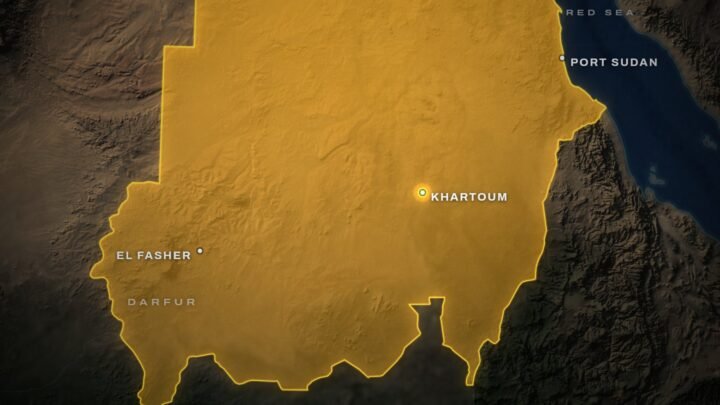
First came the accusations. Ethiopia’s army chief, Birhanu Jula, accused Eritrea, Egypt and Sudan of backing the rebels, without giving evidence. All three deny it. Sudan replies that Ethiopia backs the RSF, the force Sudan’s army is fighting at home; Ethiopia denies that. Our article on Sudan’s war explains that conflict.
Next, on 1 October, Ethiopia expelled 10 Eritrean diplomats, and Eritrea cut diplomatic ties. Then, on 7 October, witnesses told Reuters they saw Eritrean soldiers in Adigrat, inside Tigray. In a letter to the UN Security Council, Ethiopia said Eritrean troops had advanced up to 60 km into Tigray. It said it was acting in self-defence.
Eritrea, however, denies any incursion. In its own letter, it called Ethiopia’s message a “declaration of war” and asked the Council to act against Ethiopia. Reuters could not independently verify the incursion. Since then, Ethiopian forces have reached Zalambessa, a border town of about 15,000 people, according to Reuters. A pro-government militia claims Eritrean troops suffered heavy losses; Eritrea rejects that claim.
Egypt’s quarrel is about water. Egypt gets almost all of its fresh water from the Nile, and most of that water starts in Ethiopia’s highlands. Ethiopia’s giant dam on the Blue Nile sits upstream. On 4 October, Egypt, Eritrea, Somalia and Sudan signed a declaration at El Alamein. It said only the coastal states should govern the Red Sea and rejected one-sided moves on the Nile. It never named Ethiopia, which wants a way to that sea.
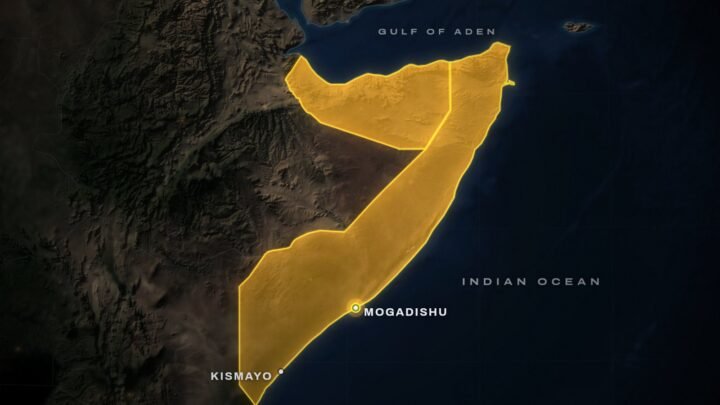
Not every regional power is against Addis Ababa. The UAE and Qatar have backed Ethiopia’s government. Somalia, meanwhile, leans on Turkey, as our article on why Turkey wants Somalia explains.
What does each side want?
The government says it is defending the constitution and Ethiopia’s sovereignty. It says the TPLF broke the peace and that the rebels are backed from outside. It calls Fano “extremists”. It also points to a national dialogue, though the armed groups took no part.
In June 2026, Abiy’s party won 438 seats in an election in which Tigray did not vote. On 5 October, Abiy was sworn in for a second five-year term. He also promised Ethiopia a way to the sea through “give and take”.
The coalition says the ruling party imposes “dictatorial rule”. It accuses the government of “genocide” and blames it for war and poverty. It wants a transitional government and a national dialogue. Fano’s leader, Zemene Kassie, says his fighters are fighting “against the disintegration of Ethiopia”.
So both sides say they are the ones saving the country.
What to watch next
From here, there are three paths.
- A long insurgency. The army holds the cities and highways, and the TPLF goes back to the mountains. The fighting then drags on in Tigray, Amhara and Oromia.
- Talks. The African Union has asked its envoy, Olusegun Obasanjo, to get both sides talking again. The TPLF questions his neutrality.
- A war between states. The quarrel with Eritrea turns into open war over a border and a sea.
So watch four places: the road to Djibouti, Western Tigray, the Eritrean border around Zalambessa, and the UN Security Council. For the wider Red Sea picture, see why Israel wants a base in Somaliland and more analysis on Africa.
Frequently asked questions
What is happening in Ethiopia right now?
As of mid-October 2026, federal forces have retaken Mekelle and several other Tigray towns from a rebel coalition formed on 20 September. That coalition includes Tigray’s TPLF and Amhara’s Fano. Fighting continues in Tigray, and Ethiopia and Eritrea accuse each other at the UN of starting a war.
Who are the Fano in Ethiopia?
Fano are Amhara militias. In 2020 they fought beside the federal army against Tigray. After the government ordered regional forces dissolved in April 2023, many in Amhara rose against it. The main Fano factions merged into the Amhara Fano National Movement in January 2026, which then joined the anti-government coalition.
Why did the Tigray war start?
Tensions grew after Abiy merged the ruling coalition into the Prosperity Party in 2019, which the TPLF refused to join. Tigray held its own election in September 2020, and Addis Ababa called it illegal. In November 2020, Tigrayan forces attacked army bases, and the government launched what it called a law enforcement operation.
Is Ethiopia at war with Eritrea?
Not formally, as of 16 October 2026. Ethiopia told the UN Security Council that Eritrean troops had advanced into Tigray and said it was acting in self-defence. Eritrea denies any incursion and called Ethiopia’s letter a declaration of war. The two cut diplomatic ties on 1 October 2026.
How many people died in the Tigray war?
Nobody knows the exact number. Estimates for the 2020-2022 war run from about 100,000 to 600,000 or more. The African Union’s envoy spoke of deaths as high as 600,000. Researchers at Ghent University say most civilian deaths came from famine and the collapse of health care.
Sources
- Ethiopian forces expand control in Tigray as militia claims Eritrean losses
- Ethiopia war security review, 13 October 2026
- Ethiopian troops enter town on border with Eritrea, stoking war fears
- Pulling Ethiopia and Eritrea Back from War
- Eritrea urges UN deterrence measures against Ethiopia
- Ethiopian forces regain control of border city after reported Eritrean incursion
- Eritrea urges UN to intervene in standoff with Ethiopia
- Ethiopia and Eritrea accuse one another of launching war
Show all 65 sources
- Eritrean troops cross into northern Ethiopia as conflict escalates
- Eritrea accuses Ethiopia of planning war to gain Red Sea access
- Witnesses spot Eritrean troops inside northern Ethiopia as tensions flare
- Ethiopian parliament re-elects Abiy Ahmed as prime minister, swears him in for new five-year term
- Air strikes and artillery hit north Ethiopia after Tigray capital's fall, aid sources say
- Egypt, Eritrea, Somalia and Sudan converge as tensions with Ethiopia deepen
- Ethiopia's government retakes Mekelle as opposition fighters withdraw
- National dialogue report presented to parliament
- U.S. statement on increased tensions between Ethiopia and Eritrea
- Ethiopia's new war: the first 11 days
- Ethiopia war security review, 2 October 2026
- Two blasts heard in Ethiopian capital as drone flights suspended
- Eritrea severs diplomatic ties with Ethiopia in tit-for-tat move
- Qatar and UAE back Ethiopian government as fighting spreads beyond Tigray
- Egypt denies backing rebel forces after Ethiopian general's allegation
- Birhanu Jula, Ethiopia's army chief, accuses Eritrea, Sudan, Egypt
- Ethiopian federal forces capture town of Alamata
- As fighting intensifies, humanitarian source estimates at least 150,000 displaced in Afar
- Sudan army rejects Ethiopia's claims of backing armed opposition coalition
- Sudan's reply to Ethiopia's accusations
- Ethiopia's new rebel alliance faces an old problem
- After seizing Tigray airports, TPLF announces 'defensive war' against Ethiopian government
- Ethiopian Airlines suspends flights to three northern Tigray airports
- Ethiopia's Tigray rebels seize airports, clash with government forces
- Chairperson calls for restraint and immediate de-escalation in northern Ethiopia
- Seven Ethiopian armed groups announce anti-government alliance
- Ethiopian armed groups forge alliance against government
- 7 armed opposition forces issue founding proclamation establishing alliance for survival
- ONLF denies joining Ethiopian opposition alliance against Abiy Ahmed government
- US lifts sanctions targeting Eritrea's ruling party and the military
- Zemene Kassie, chef de la milice Fano: 'Nous luttons contre la désintégration de l'Ethiopie'
- Prosperity Party wins 438 seats in Ethiopia's parliament
- TPLF move to restore leadership raises tensions in Ethiopia's Tigray
- Ethiopia: persecution of Tigrayans unrelenting
- Fano forces statement on their unification: the Amhara Fano National Movement
- Democracy tracker: Ethiopia, May 2025 (TPLF deregistered)
- Ethiopia rules out conflict with Eritrea over Red Sea access
- TPLF revokes membership of key leaders, Getachew Reda among 16 ousted
- Abiy Ahmed's Red Sea speech
- The unresolved status of Western Tigray
- Ethiopia shaken by new and growing rebellion in Amhara
- Addis-Djibouti corridor to get major upgrade
- Ethiopia's ominous new war in Amhara
- Ethiopia to integrate regional forces into central army, police
- Ethiopia PM vows to dismantle regional military forces
- Guide to the number of deaths in the Tigray war (Prof. Jan Nyssen, Ghent University)
- Tigray death toll could be as high as 600,000, African Union envoy says
- Many hurdles to peace in Tigray remain after Pretoria and Nairobi deals
- Ethiopia-Tigray peace deal signed in Pretoria
- Nine rebel groups coalesce in opposition to Ethiopia's government
- Ethiopia says Tigray forces fired into neighbouring region
- Ethiopia's Tigray region holds vote defying Abiy's federal government
- Ethiopia's Prosperity Party officially formed
- The Nobel Peace Prize 2019: press release
- Egypt: water resources country factsheet
- Ethiopia overview (population, UN World Population Prospects 2024)
- Constitution of the Federal Democratic Republic of Ethiopia (1995), Article 39
Facts as of 16 October 2026. Spotted a mistake? Tell us, and we will correct it.